Halong Bay is one of Southeast Asia’s most iconic destinations — a landscape of quiet emerald water, towering limestone karsts, and peaceful coves. For most travelers, joining an overnight cruise is the highlight of visiting Vietnam. But before booking, many first-time visitors ask:
“Is Halong Bay safe?”
“What about storms or big waves?”
“Are cruises regulated?”
These questions are completely valid — and the good news is that Halong Bay is widely considered a safe, well-regulated destination, especially when traveling with reputable cruise operators.
In this blog, we’ll break down everything you need to know about safety in Halong Bay — including weather patterns, wave conditions, modern cruise safety standards, what authorities strictly regulate, and practical insurance tips to help you feel fully prepared.
Is Halong Bay Safe?
For the vast majority of travelers — including families with children, seniors, and solo adventurers — Halong Bay is a very safe destination.
Here’s why:
- The bay is sheltered, with calm waters and low waves.
- Cruise operations are tightly controlled by the Ha Long Bay Management Board.
- Boats must pass regular safety inspections before every journey.
- Weather is monitored closely, and authorities immediately suspend operations if conditions are unsafe.
- High-end cruise operators maintain strict standards for equipment, staff training, emergency procedures, and navigation.
While no travel destination is 100% risk-free, Halong Bay sits in the category of low-risk, high-safety travel experiences — as long as you choose a reputable cruise company.
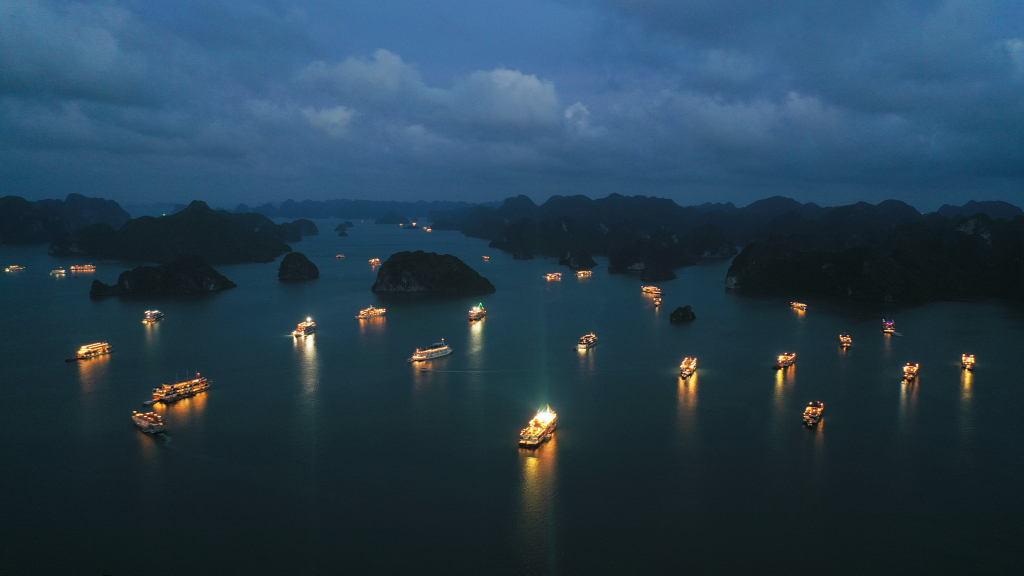
Understanding Halong Bay Weather
Weather is the most important factor affecting cruise operations. Here’s what to expect throughout the year:
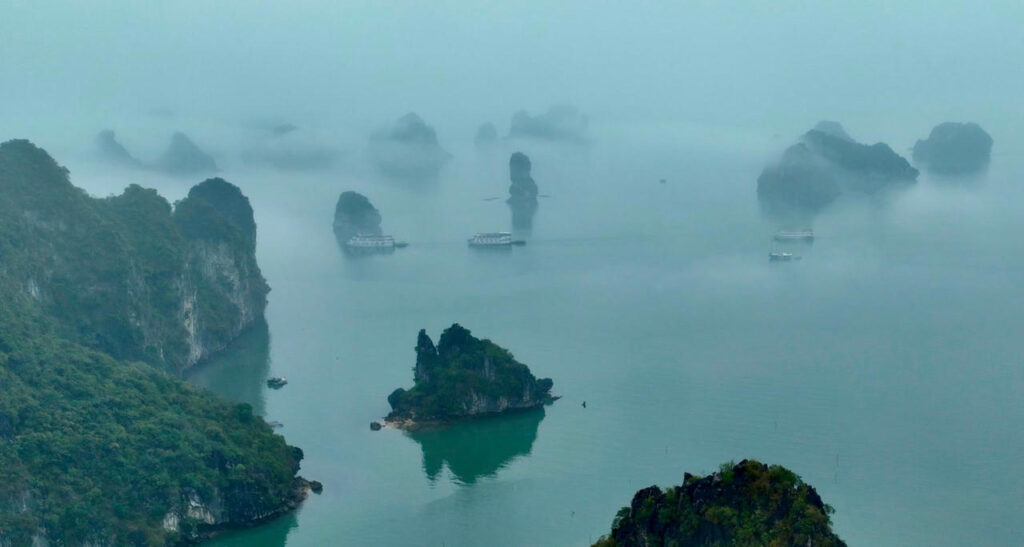
Winter (December – February): Calm, Cool, Stable
Winter is one of the safest and most stable seasons for cruising:
- Calm seas
- Clear or misty skies
- Very little rain
- Minimal risk of storms
Temperatures range from 12–18°C (54–64°F), so bring warm layers.
Spring (March – May): Pleasant & Comfortable
This is often described as the “best time” to visit:
- Mild weather
- Light breezes
- Gentle sunlight
- Calm water
It’s a perfect season for kayaking and sightseeing.
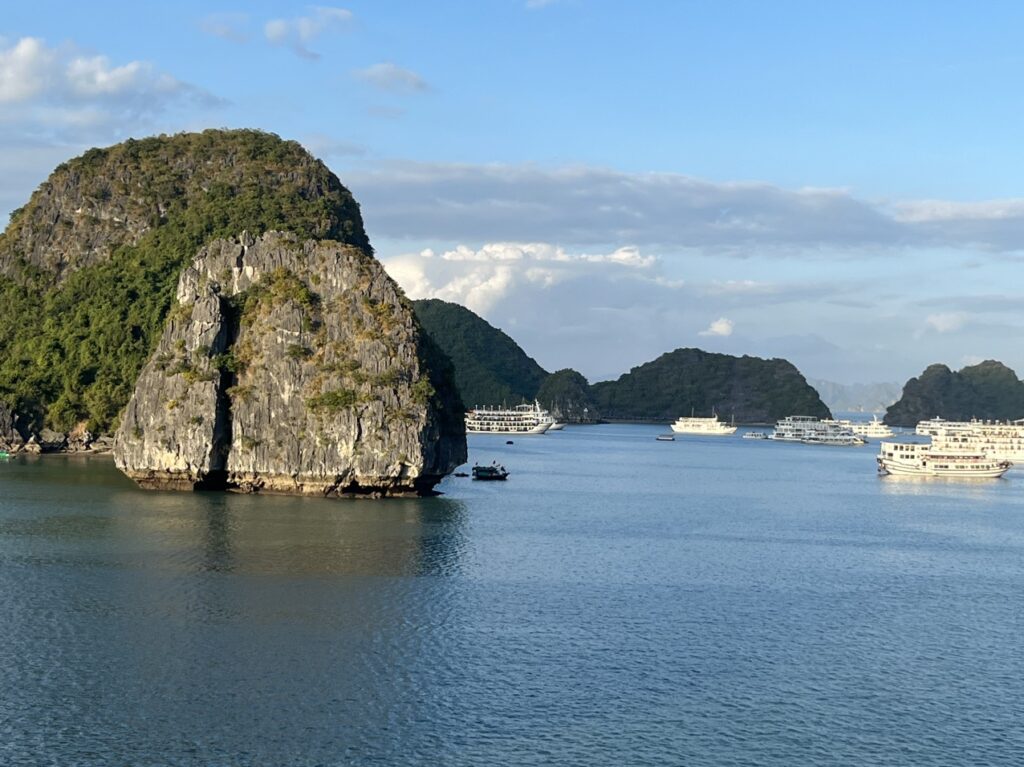
Summer (June – August): Beautiful But Unpredictable
Summer brings sunny days and warm water — but also:
- Sudden tropical rain
- Storm systems
- Stronger winds
- Occasional cruise cancellations
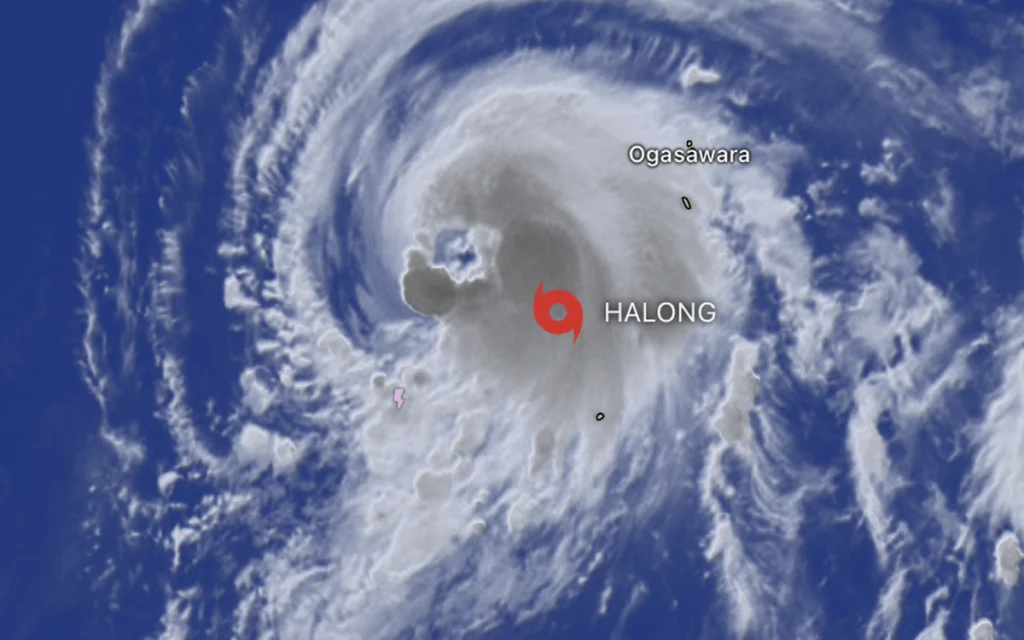
Typhoon season peaks from July to August.
Cruises may be delayed or suspended for safety. While this can be disappointing, it’s a sign of strict protection rules and should be seen as a positive measure.
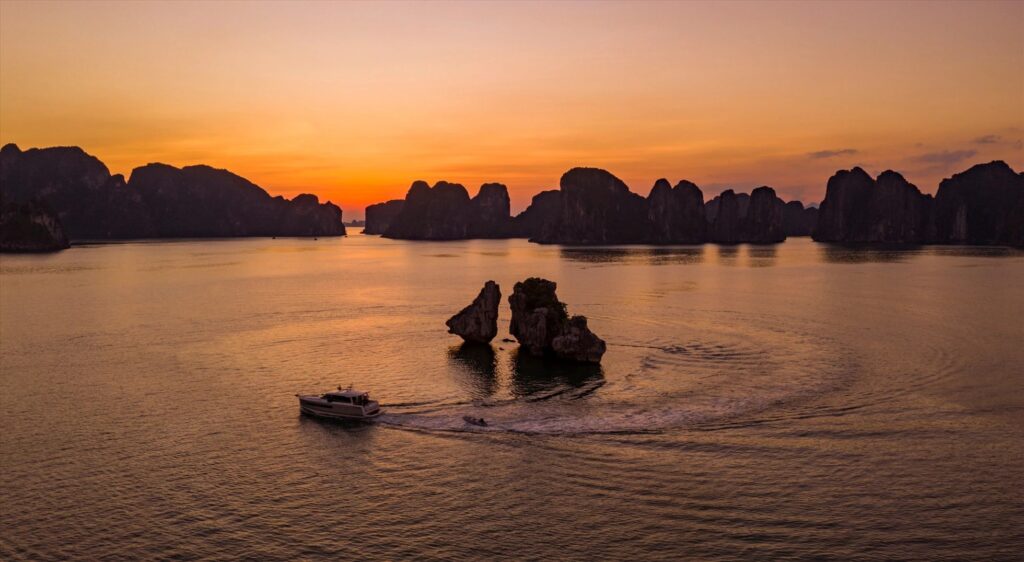
Autumn (September – November): Ideal Conditions
Autumn is consistently considered the best season overall:
- Stable weather
- Low rainfall
- Clear visibility
- Smooth waters
- Comfortable temperatures
If you want the perfect mix of scenery and safety, choose this season.
What About Waves? Could the Boat Be Unstable?
This is one of the most common concerns — especially for travelers prone to seasickness.
Here’s the reassuring reality:
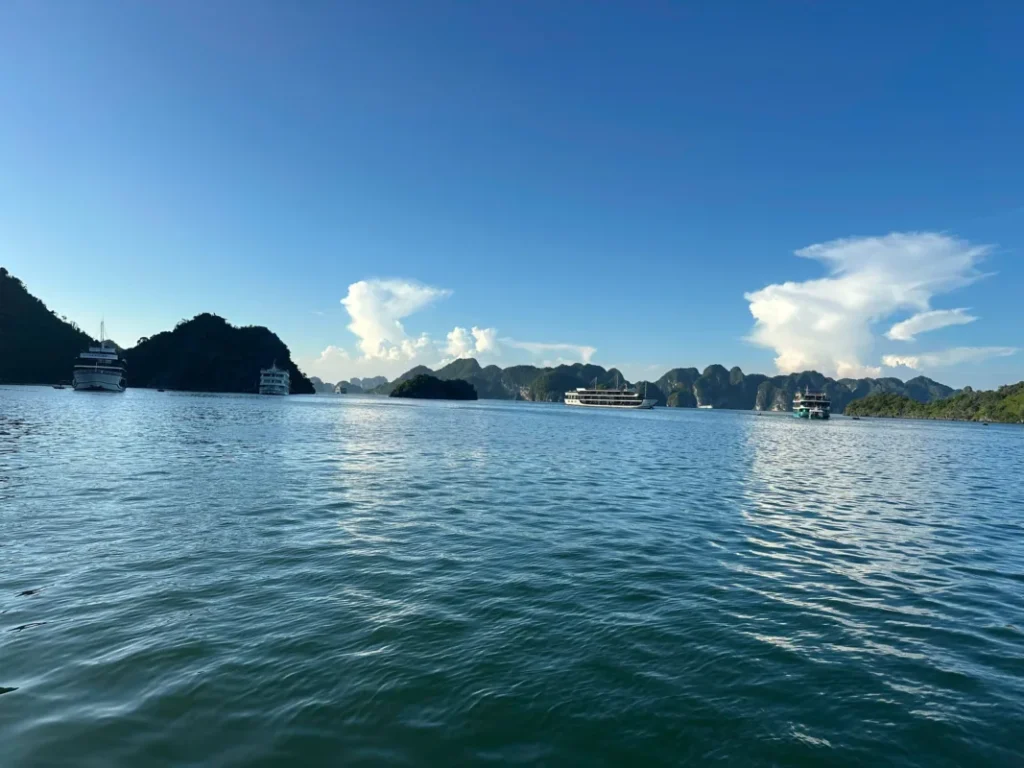
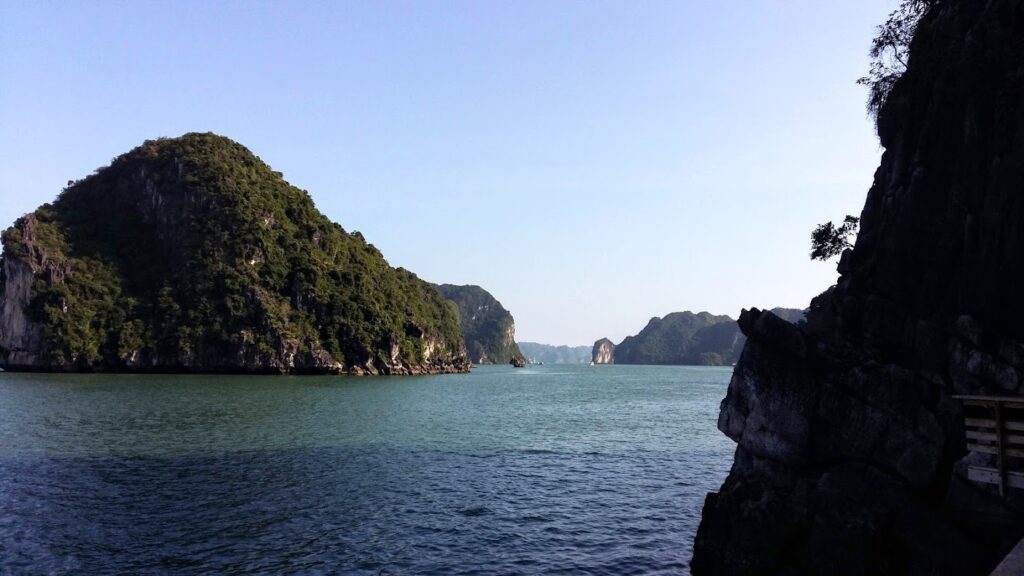
Halong Bay is not open ocean.
It is a protected bay, surrounded on all sides by limestone formations. These islands block large swells and high winds, resulting in:
- Low waves
- Calm water year-round
- Minimal boat movement
Most guests report that the cruise feels smoother than expected.
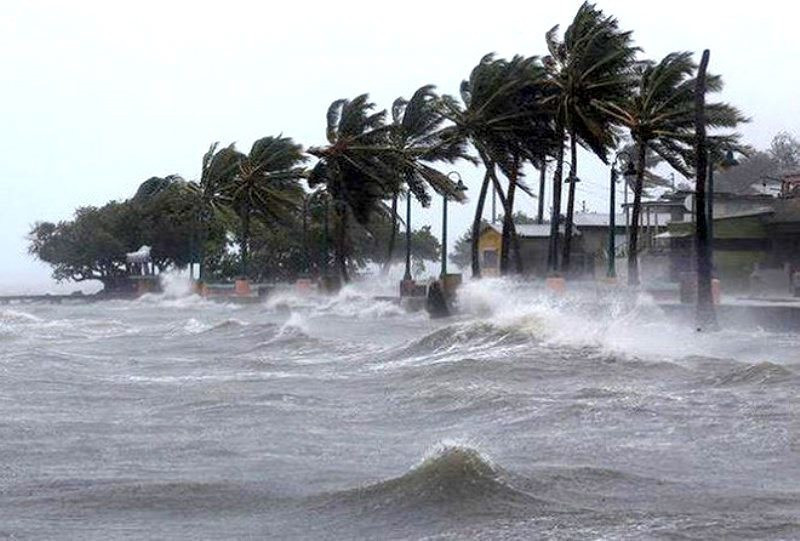
Only during strong monsoon days will the boat rock slightly — but even then, safety standards require:
- Speed limits
- Adjusted routes
- Anchoring in sheltered zones
- Weather-based cancellations when needed
You are never sent into dangerous conditions.
How Safe Are the Cruises Themselves?
Cruise safety in Halong Bay has improved dramatically in the past decade due to stronger regulations, updated standards, and continuous oversight.
Mandatory Safety Certifications
To operate legally, a cruise must pass:
- Annual technical inspection
- Fire safety certification
- Hull, engine, and equipment checks
- Environmental compliance
- Passenger safety clearance
If a boat fails inspection, it cannot operate.
Onboard Safety Equipment
Every properly licensed cruise is equipped with:
- Life vests in all cabins and public areas
- Fire extinguishers and automatic alarms
- Emergency lighting
- Lifebuoys, rescue boats, and rafts
- First-aid kits and medical supplies
- Communication systems with shore stations
- AIS and radar for navigation
High-end vessels carry more advanced systems.
Trained Crew
Crew members are required to have:
- Maritime operation licenses
- First-aid training
- Fire-fighting training
- Rescue & evacuation training
- Experience navigating the bay’s designated routes
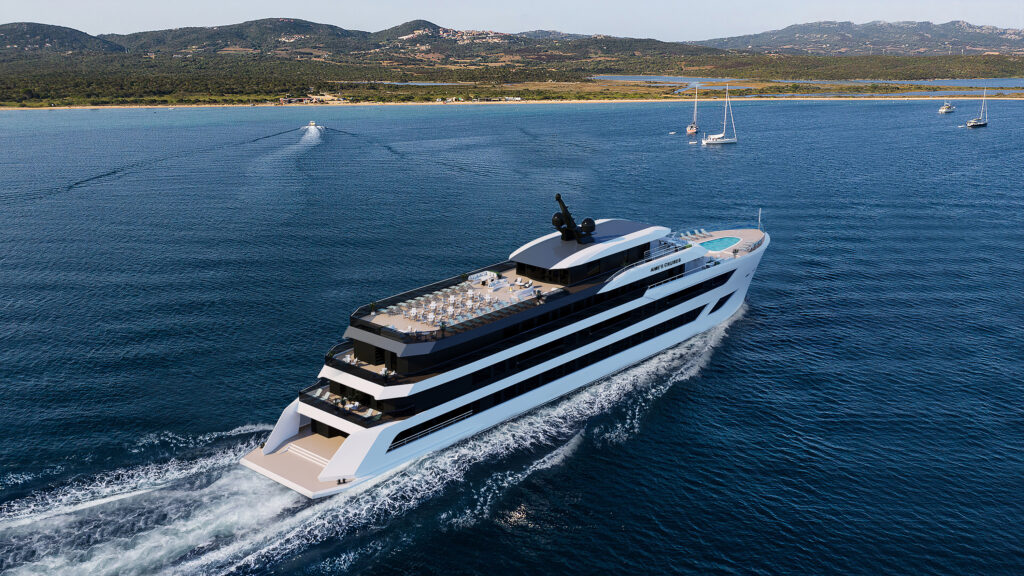
On premium cruises (like Aime’e, a brand of Bai Tho Junks), many staff have years of experience operating in Halong Bay.
Strict Navigation Rules
The Bay Management Board dictates:
- Which routes boats may take
- Where they may anchor
- Max speeds
- Nighttime anchoring zones
- Activity permission (kayaking, swimming, cave visiting)
This structured approach minimizes risk.
Daily Safety Briefing for Guests
Before departure or during check-in, guests receive:
- Instructions on life vest usage
- Muster point locations
- Emergency procedures
- Do’s and don’ts on deck
- Kayaking/swimming safety rules
This ensures everyone understands essential safety basics.
Common Traveler Concerns
“What if there’s a storm?”
Cruises will be delayed, altered, or canceled — automatically — by authorities. Operators cannot override these rules, and guests are usually offered refunds or date changes depending on policy.
“Is it safe for children or older passengers?”
Yes. The bay’s calm waters make cruises suitable for families and seniors. Choose a newer, larger boat if you want extra stability.
“Is kayaking safe?”
Kayaking is regulated and only permitted during safe weather. Life jackets are always required, and staff supervise the activity.
“What about overnight stays?”
Overnight cruises are very safe. Boats anchor in protected areas with minimal movement, and crew remain on duty 24/7.
Trip Insurance: What You Really Need
While Halong Bay is safe, travel insurance is still highly recommended, mainly because of unpredictable weather.
Here’s what to look for:
Trip Cancellation Coverage
This is crucial during summer typhoon season. Many insurance plans cover:
- Weather-related cancellations
- Port closures
- Delays due to natural conditions
This helps avoid financial loss.
Medical Coverage
Choose insurance that includes:
- Emergency medical care
- Basic treatment for injuries
- Prescription medication reimbursement
Cruises carry first aid kits, but not advanced medical facilities.
Water Activity Coverage
If you plan to kayak or swim, ensure your insurance includes:
- Light adventure activities
- Water sports
- Outdoor injuries
Standard policies usually do.
Bring Personal Medication
Especially if you have:
- Motion sickness
- Allergies
- Asthma
- Chronic conditions
The boat provides basic medication, but personalized prescriptions are always safer.
How to Choose a Safe Cruise Operator
Not all cruises are equal. To maximize safety:
Choose a newer, well-maintained vessel
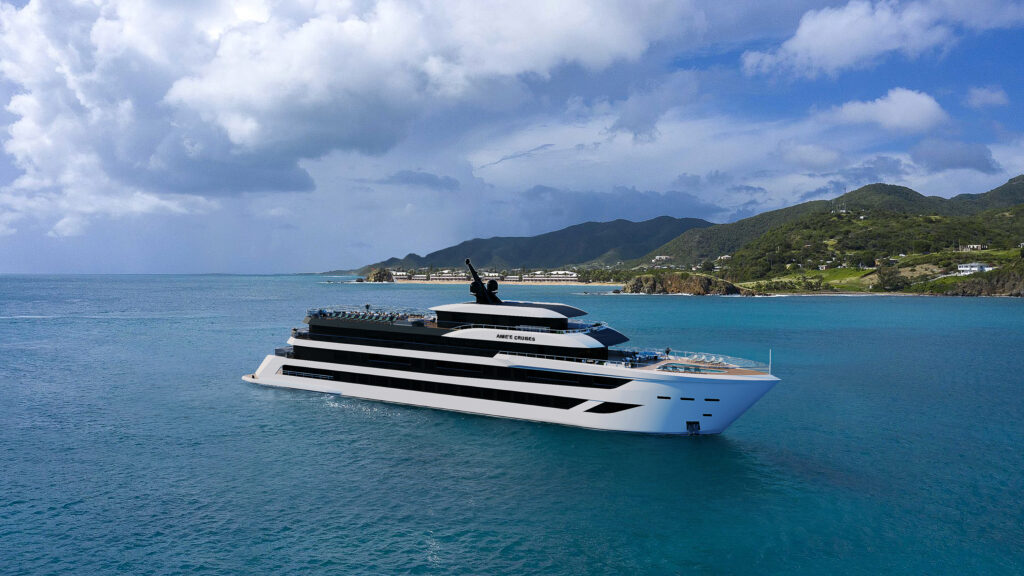
Steel ships (like Aime’e Cruises) offer more stability
Check reviews focusing on safety & professionalism
Look for comments about:
- Cleanliness
- Crew training
- Safety briefing quality
- Handling of unexpected weather
Ask the operator about:
- Last inspection date
- Safety equipment
- Crew experience
- Emergency procedures
- Weather cancellation policy
Transparent operators will answer confidently and clearly.
Halong Bay is not just stunning — it’s also one of the safest cruising destinations in the region, thanks to strict regulations, sheltered water conditions, and experienced operators.
With the right preparation:
- Understand the weather seasons
- Choose a reputable cruise
- Get basic travel insurance
- Follow onboard safety instructions
—you can expect a peaceful, memorable, and worry-free journey through one of the world’s most beautiful natural wonders.
Whether you’re traveling with kids, seniors, friends, or solo, Halong Bay offers a safe and spectacular escape — as long as you travel smart and choose wisely.